DEATH POSITIVITY
Programming for middle + high school students to safely talk about death
Academic @University of Pennsylvania / Team of 4 / 3 months
OVERVIEW
ABOUT THE CLIENT
Laurel Hill, a nonprofit and historic cemetery in Philadelphia, approached our team for solutions to make them the “hub of death positivity” in the region with intent to implement our solutions within the next year.
WHAT IS “DEATH POSITIVITY”?
“Death positivity” AKA “death acceptance” is the relatively new idea that hiding death and dying behind closed doors does more harm than good.
Death positivity encourages people to speak openly about their end-of -life wishes, supports natural curiosity about the human condition and strives to decrease anxiety around death. Death positivity is not about assisted suicide, being happy about death or negating grief.
THE CHALLENGE
Laurel Hill’s goal was to provide educational programming on death positivity to school-aged children. As well, Laurel Hill Cemetery wanted to brand itself as a destination for all to enjoy nature, like a park.
MY ROLE
In 2020, I collaborated with 3 other master’s students at UPenn to conduct generative research on the topic of death positivity, followed by ideation and prototyping, concluding with evaluative research and desirability feedback sessions.
My contributions: user experience (UX) research, generative research, evaluative research, participant recruitment, interviewing, insight synthesis, concept ideation, journey mapping, mindsets, personas, Figma prototyping, usability testing, client presentation, team collaboration
Team:
4 UX Researcher students (including me)
Faculty Advisor
METHODS & TOOLS USED
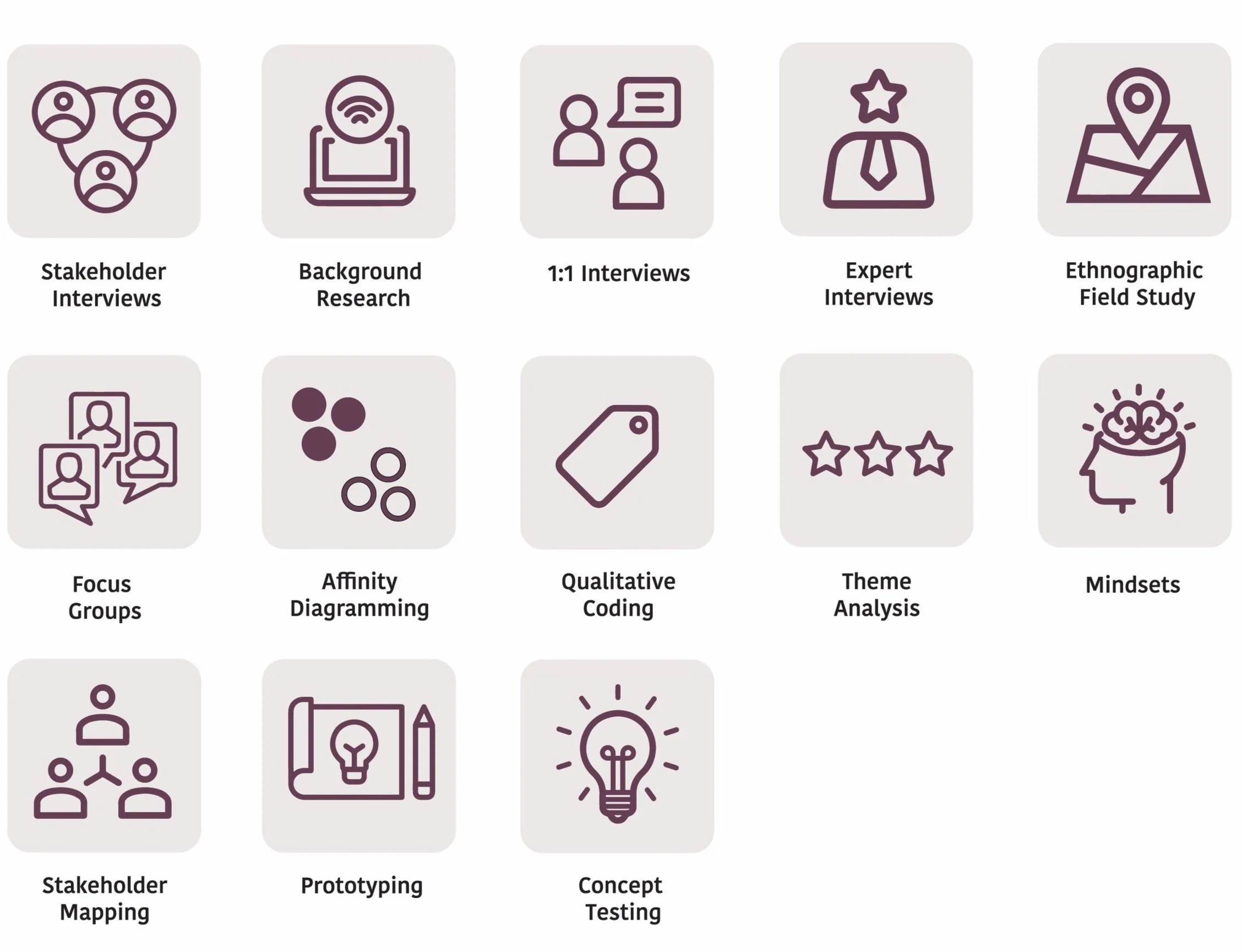
Tools: Miro, Figma, Adobe Photoshop, Adobe Illustrator, Adobe InDesign, Zoom
Project constraints:
Figuring out how to talk about a very sensitive topic (death) with children in a way that is educational, thorough and safe, as well as attractive to teachers
Switching from in-person teamwork to virtual teamwork halfway through the project and conducting all interviews and user testing online due to COVID-19
PROJECT PLANNING
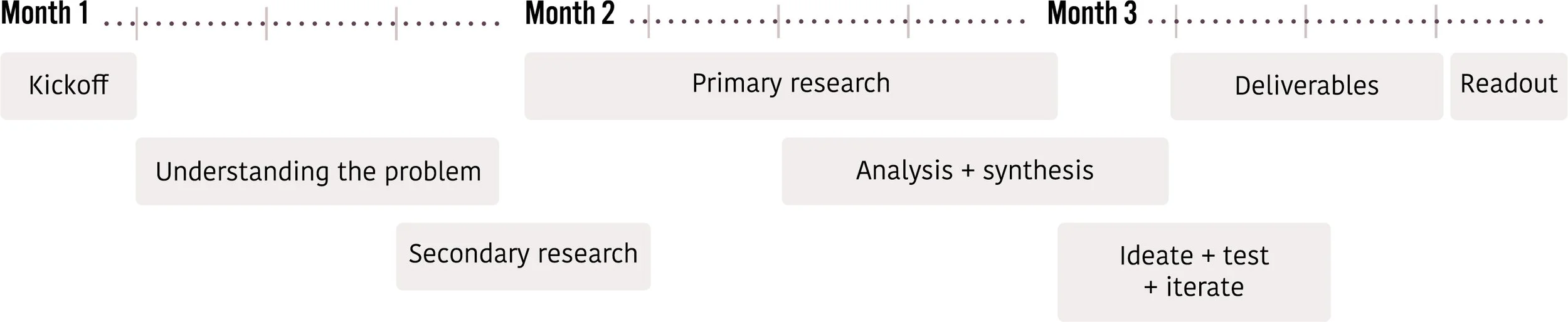
TIMELINE
MY PROCESS*
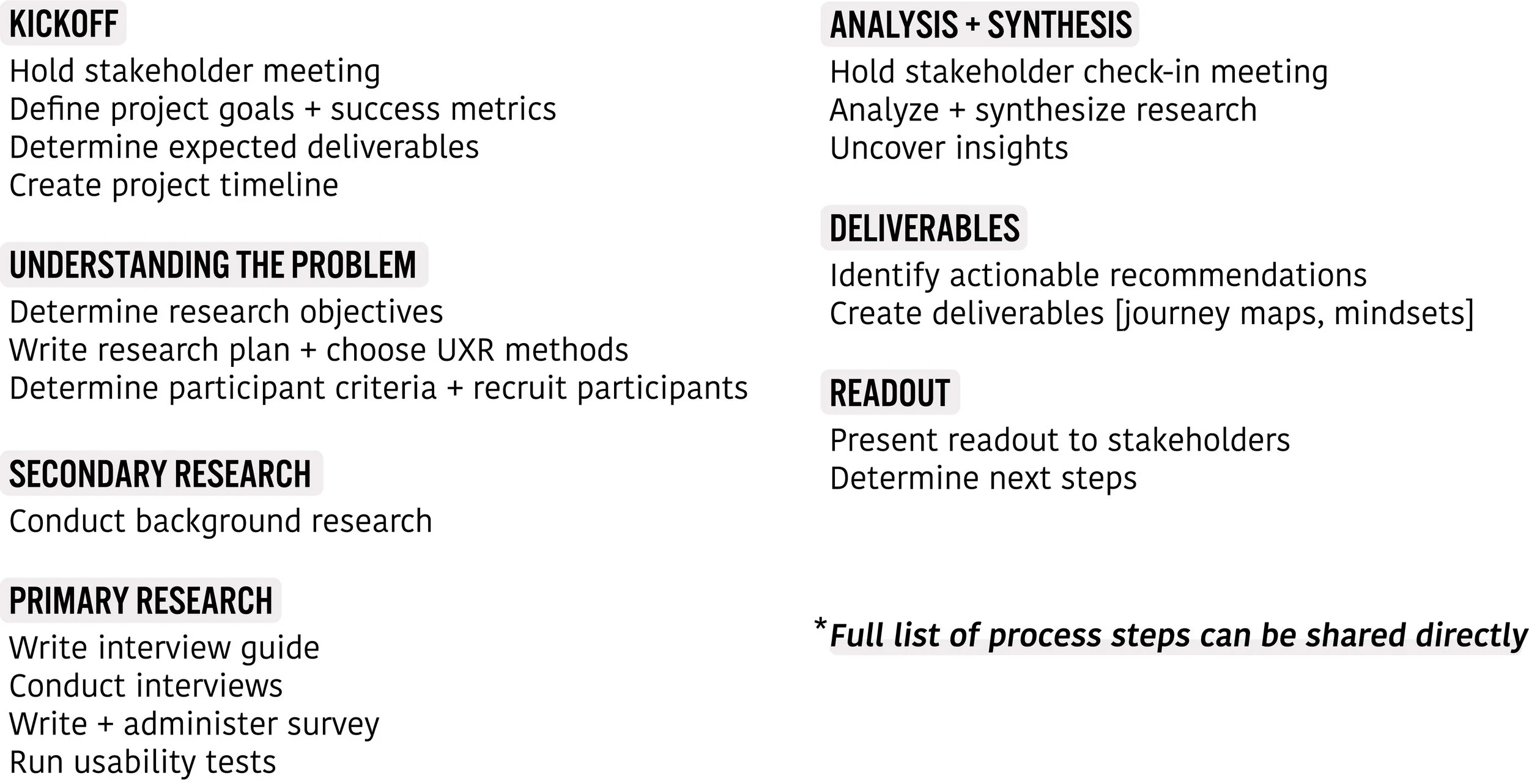
UNDERSTANDING THE PROBLEM
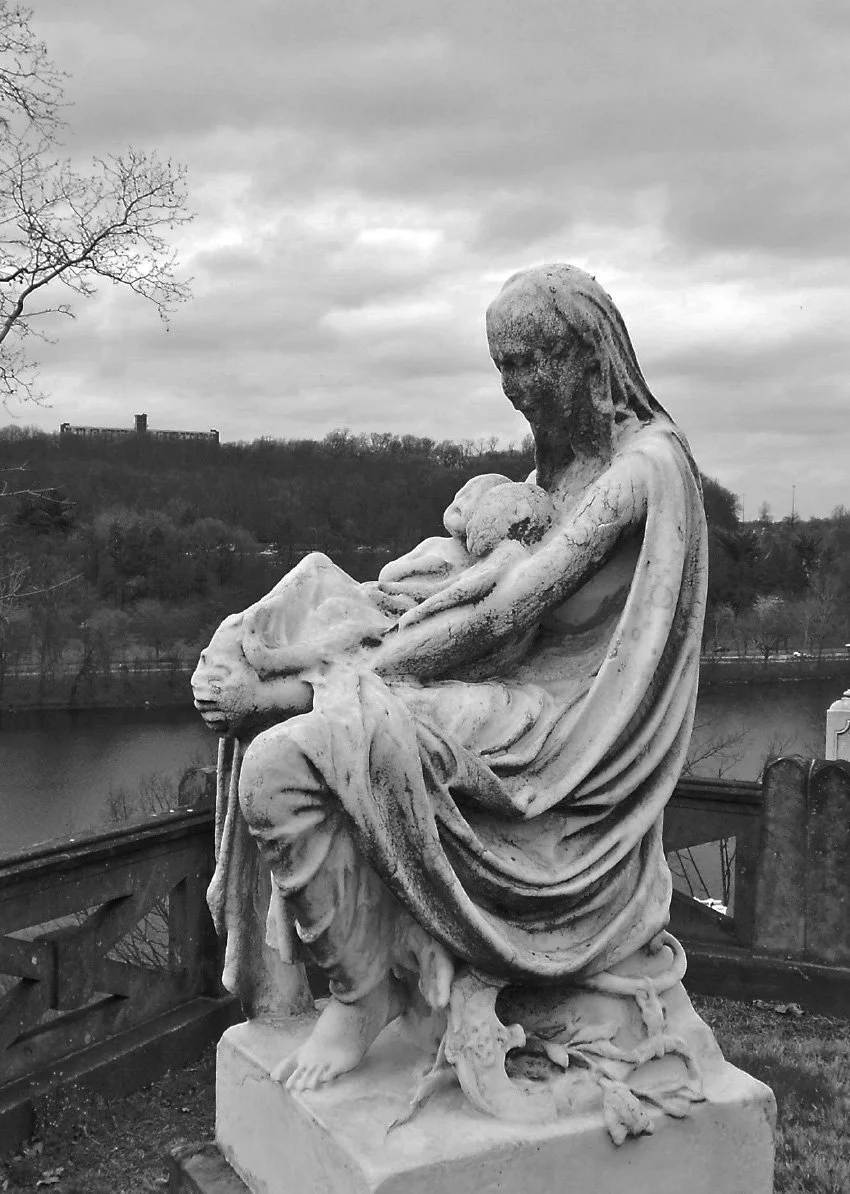
Laurel Hill Cemetery
STAKEHOLDER ALIGNMENT & PROJECT GOALS
After leading a stakeholder alignment & project kickoff meeting with Laurel Hill, we agreed to the following goals :
1 Create death positivity programming for Laurel Hill
2 Understand how people would feel treating Laurel Hill like a park
HIGH-LEVEL RESEARCH QUESTIONS
The team set out to answer these high-level questions:
1 What makes death and dying uncomfortable to talk about?
2 What would make children feel safe discussing death topics?
3 What topics are appropriate/inappropriate and is there an ideal age to teach children about death positivity?
HOW MIGHT WE…
…teach death topics in a way that children of all ages are receptive to?
…make Laurel Hill a place where people want to go to discuss death?
SOCIETAL CONSIDERATIONS
We live in a society that doesn’t like to talk about death, but death is inevitable and everyone can benefit from skills to deal with it when it happens. Engaging in safe conversations about death from a young age gives young adults the knowledge and resources to effectively deal with the loss of a loved one later in life.
As well, it was important for us to recognize that children will come to Laurel Hill with a variety of religious, cultural, and familial backgrounds, and it is important that everyone feels welcome, safe and accepted.
UX RESEARCH +
INSIGHTS + ARTIFACTS
BACKGROUND RESEARCH
Before speaking with experts and end users, I wanted to learn as much as possible about the concept of death positivity and what it stands for. I did this by reviewing online resources such as Caitlin Dougherty’s Ask A Mortician website and the site for the Mütter Museum of Philadelphia [human medical abnormalities & death].
UXR STRATEGY
Recognizing the sensitivity of the subject matter and the importance of grounding our solution in educational best practices, we identified 4 categories of people we wanted to speak with about death. Interviews were the best method to dig deep into this uncomfortable topic to give people the space to consider their responses and express their emotions.
Other UXR methods such as surveys would have been too impersonal and only garnered surface-level findings.
The order of the interviewees was chosen specifically to work our way from professionals to children, learning along the way how and what to say to the young end users. The strategic order was:
1st

2 death positivity experts
+ 1 palliative care doctor
2nd

9 educators who teach difficult topics [such as being a death doula and systemic racism]
3rd

3 young adults who experienced the loss of a parent when they were children
Final

9 students ages 10-18
[recruited from personal contacts, specifically chosen to represent late elementary school through high school ages]
EXPERT INTERVIEWS
Each of the 4 interviewee categories had a unique study plan. From the 1st, 2nd and 3rd expert groups, we learned that:
1
Straightforward language is the best way to talk about death.
2
Death positivity is a conversation. Death positivity should be presented as an active conversation rather than a definition because of its potential for broad interpretation.
3
Treating death like birth, sex, or mental health conversations normalizes it. Young students can handle discussions around death because they recognize the importance of preparing for something natural and inevitable.
The process of being a 14 year old and having to sit at this stupid wake and all these people are coming up to you trying to tell you that they understand how you feel... it just felt very phony. I just wish someone had said to me it's ok to feel however you're feeling or it's ok to be angry.
- Adult whose father died of brain cancer when she was 14
“
On not learning about death as a child…
On how to approach death education…
Engaging children in an active way of talking with them about death, instead of at them, is the way to go.
- Death educator & death doula
“
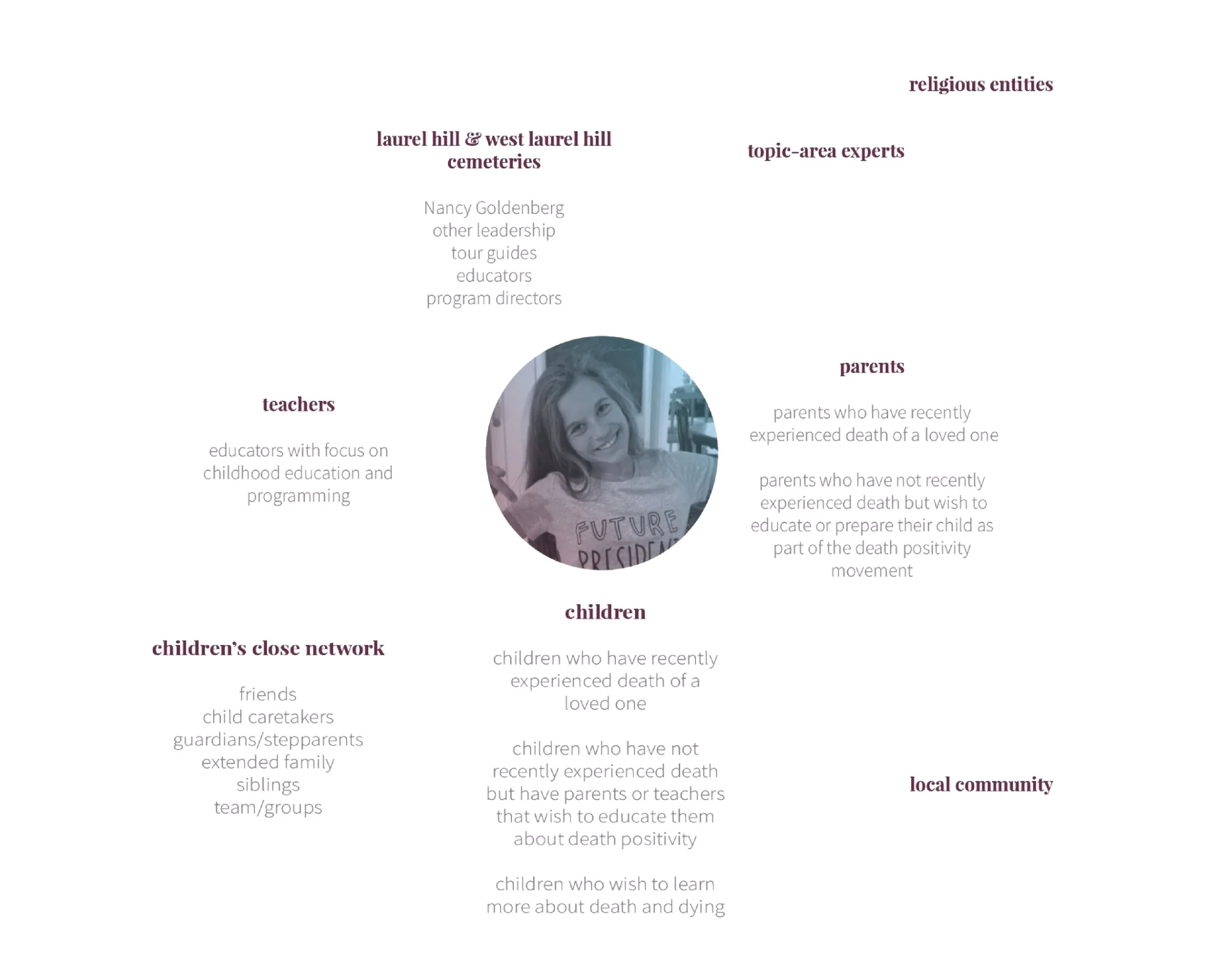
STAKEHOLDER MAP
Being a project for children, it was important to the team to consider all possible stakeholders that could be affected by or involved in the children’s educational future. We felt that more removed stakeholders, such as religious entities and teachers, would be important to consider when refining the solution.
INTERVIEWS + ACTIVITIES DESIGNED FOR CHILDREN
Interviewing children is not as straightforward as interviewing adults. They may not be able to easily express themselves through words, so the team designed unique, creative ways to understand how children felt about death.
We interviewed 9 students ages 10-18 over Zoom with a mix of questions and activities, such as asking them to “draw what death looks like” and “draw a place you’d feel comfortable talking about death.”
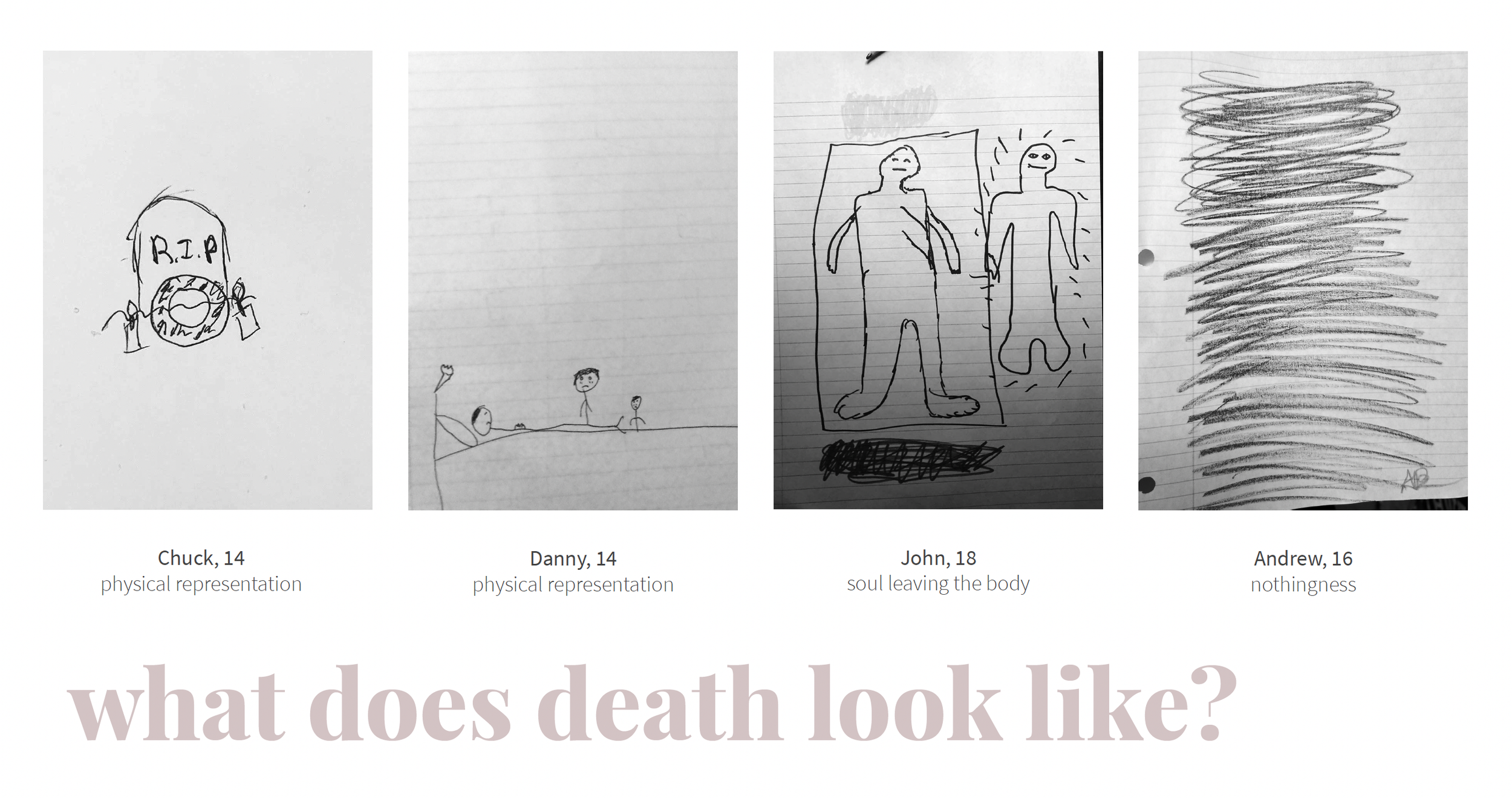
Interpretations of death by student interviewees
KEY INSIGHTS
1
A cemetery is not a park
Some children consider certain activities to be disrespectful if done in a cemetery, especially “fun” activities.
2
The discussion starts at zero
Few kids spend time talking about death in any meaningful way with friends, parents or teachers unless a death has occurred, at which point it may or may not be discussed.
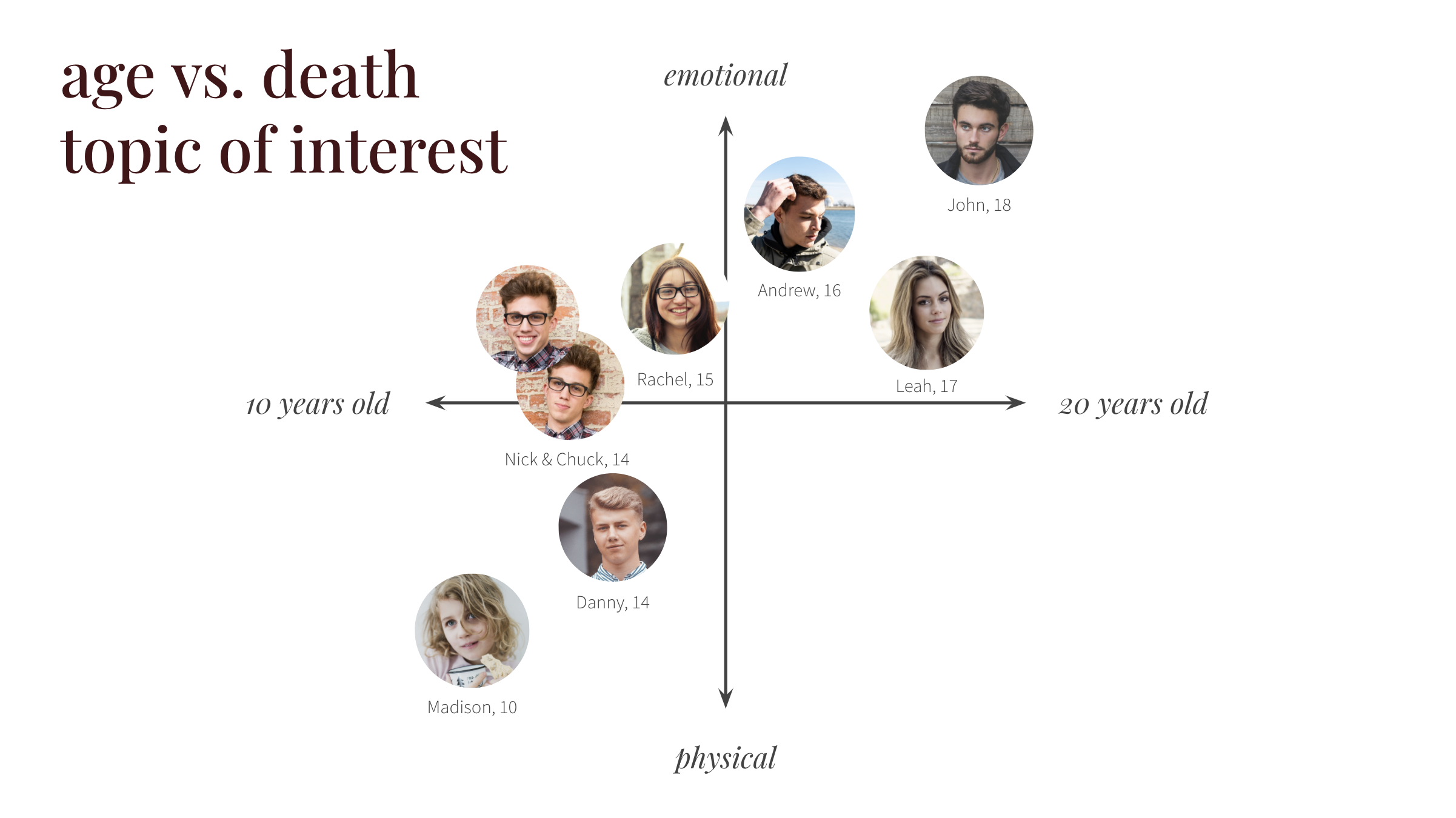
By plotting the data on a 2x2 with the interviewees’ ages and death topics (topics that the children brought up themselves), the team discovered…
3
There’s no right age to start teaching children about death
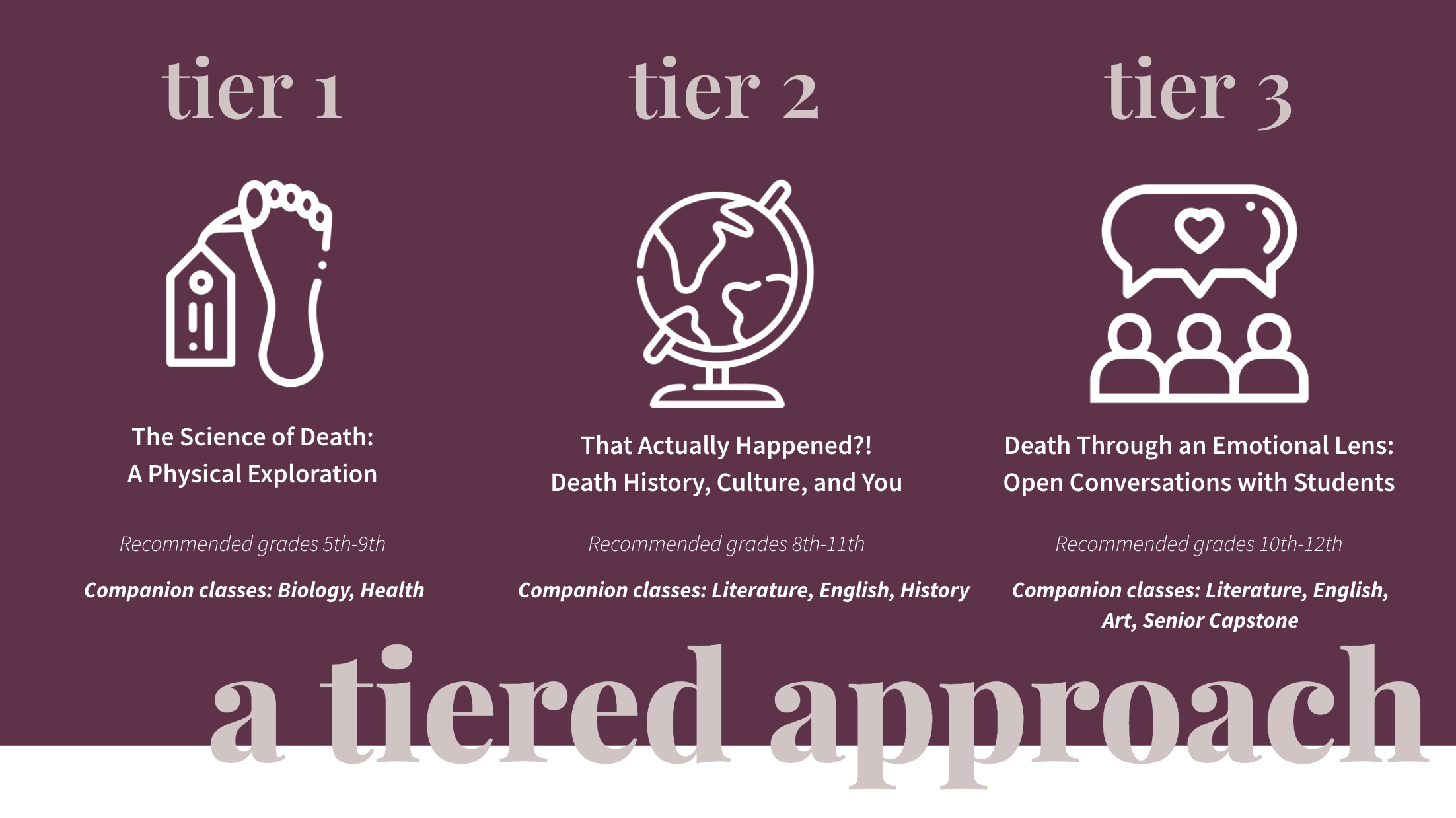
Children of all ages are open to talking about death, they just need age-suitable topics. They understand and relate to death in three distinct ways that correlate highly with their age, as well as grade and life experience: physically, socially/culturally & emotionally.
From the final insight, three student mindsets emerged that laid the foundation for the team’s three-tiered approach to death positivity programming:
MINDSETS
1
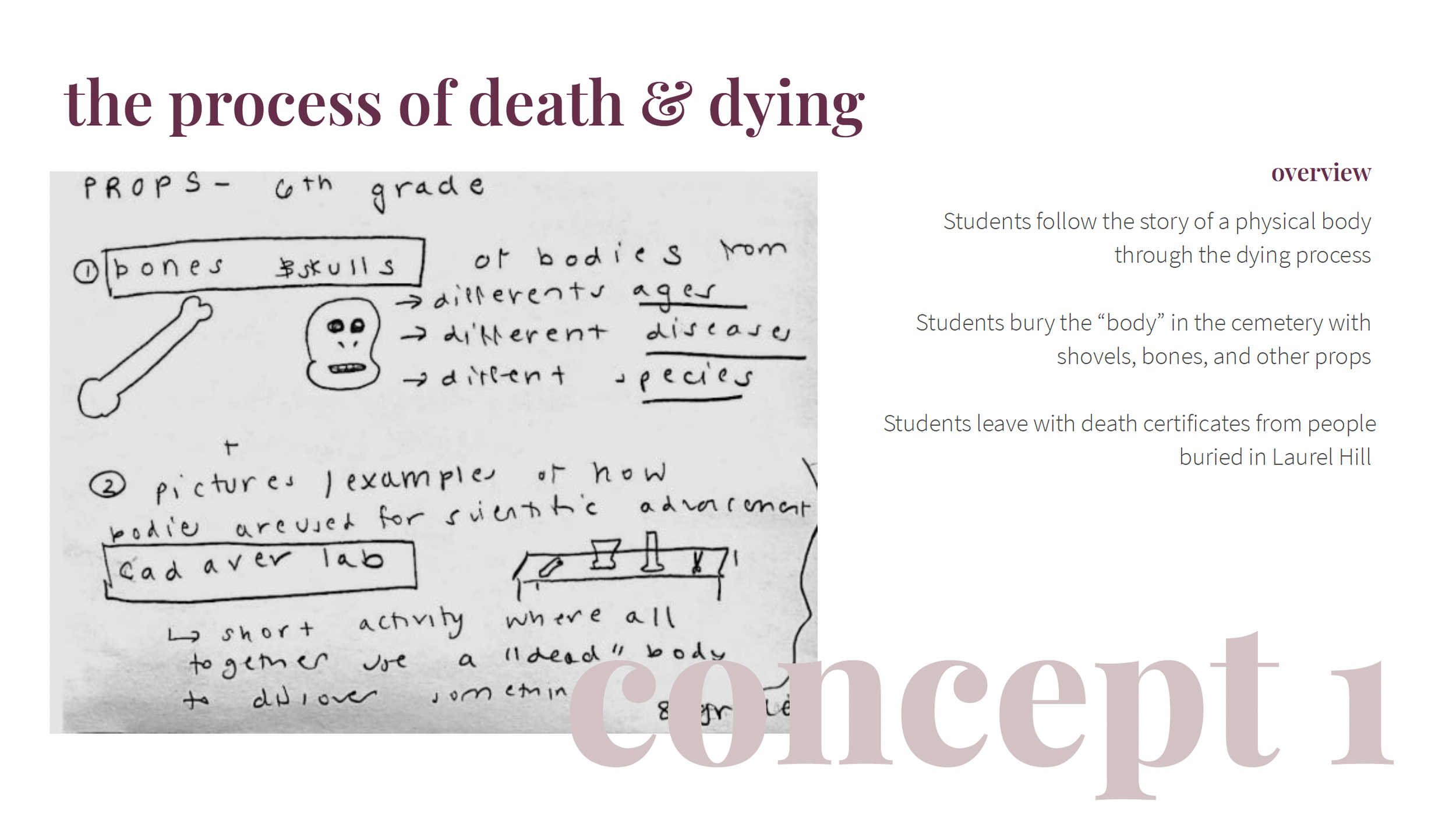
The Body Focused. Those who express death in physical terms, have limited personal experience with death and tend to be late elementary/middle school age.
2
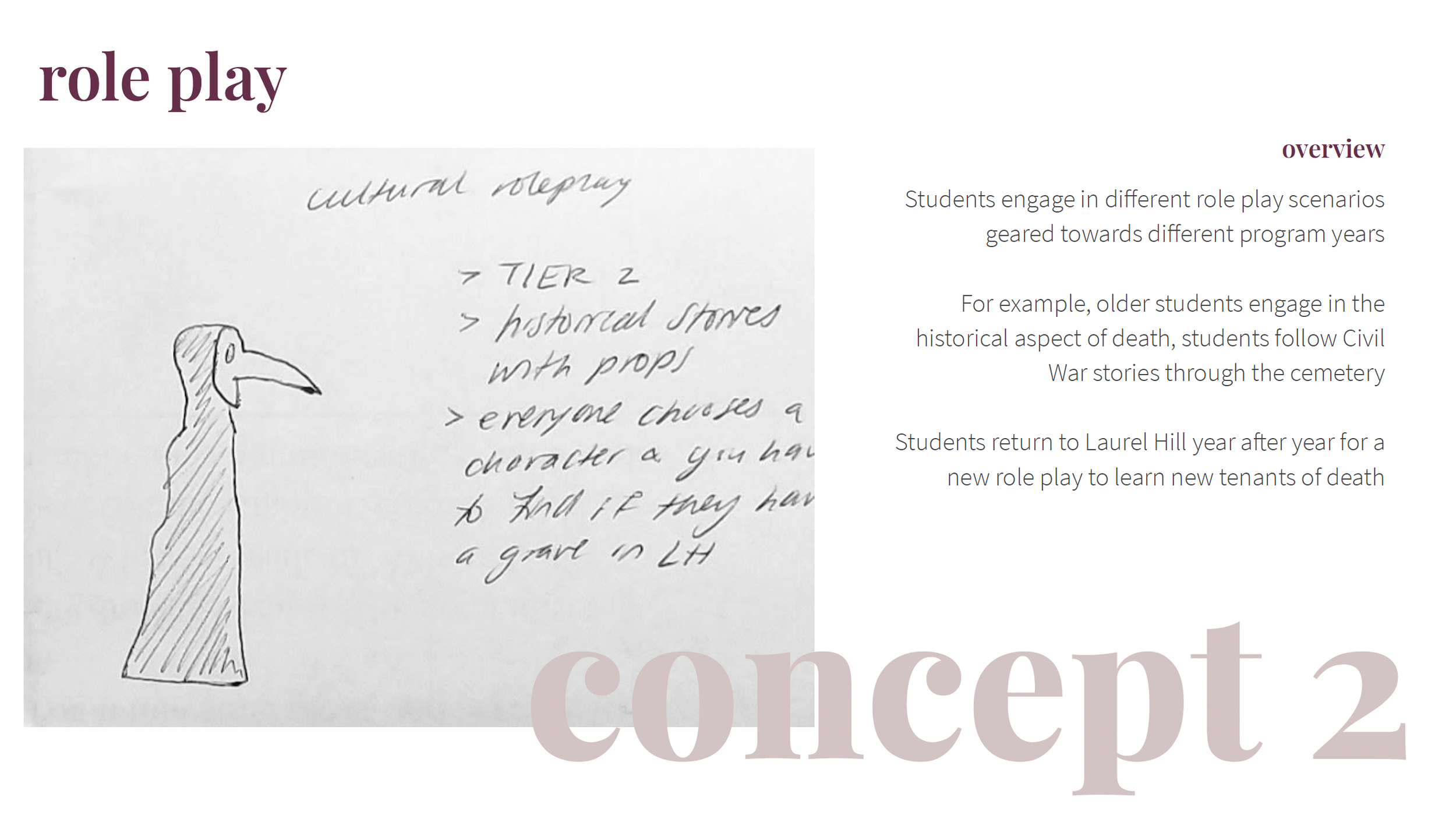
The Socially Engaged. Those who are becoming interested in the cultural and historical applications of death and may have some personal experience with death. They tend to be middle school/early high school age.

3
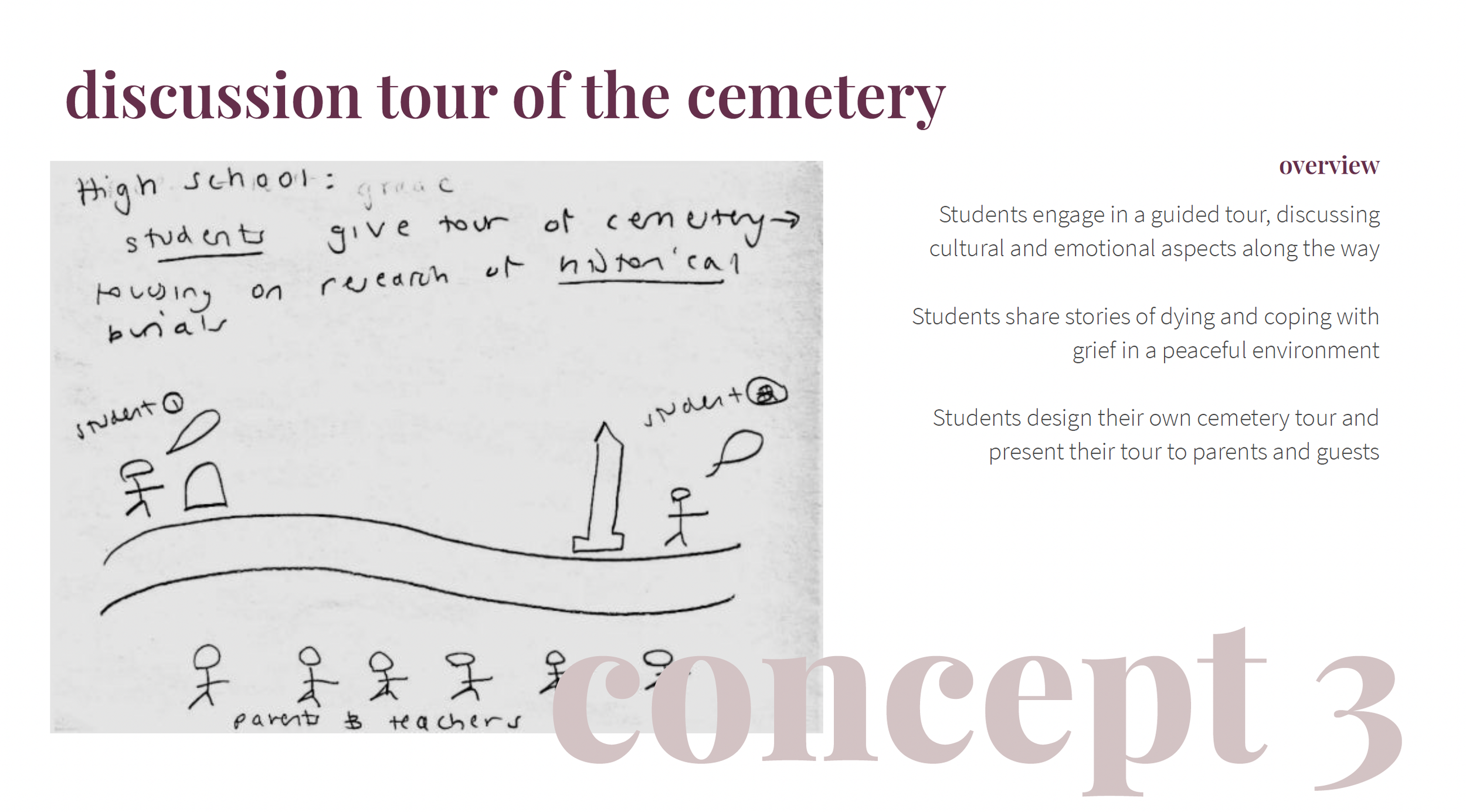
The Emotionally Conscious. Those who have matured through the previous two mindsets, may have personal experience with death and now relate to death on a more emotional level. These students tend to be late high school aged.
FIELD STUDY
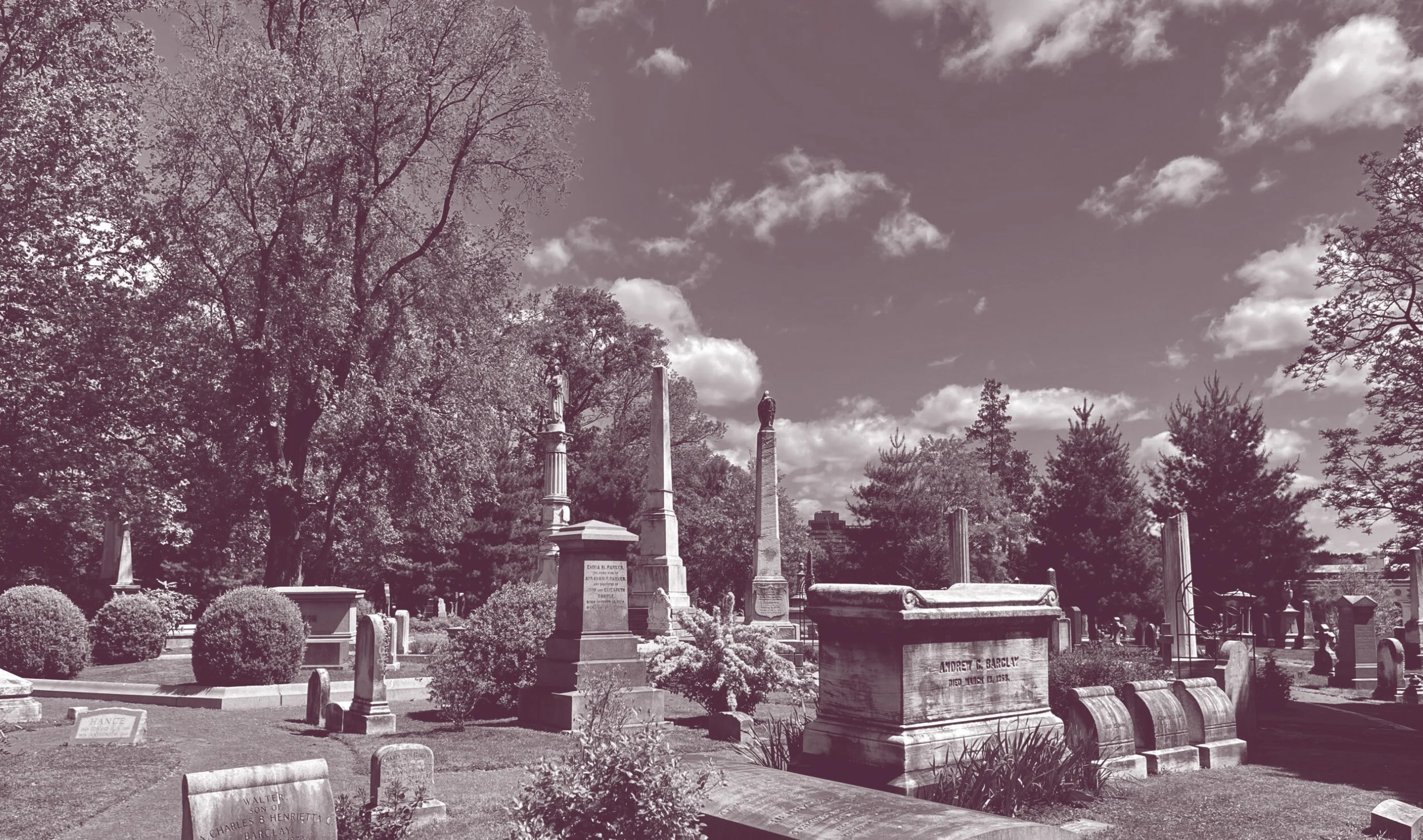
Before the COVID lockdown, the team conducted a field study at Laurel Hill to experience the general atmosphere, to assess the physical spaces where the programming could take place [indoor + outdoor] and to determine how to incorporate the organization’s history into the programming.
IDEATION
DESIGN THINKING TECHNIQUES
The team worked together through several ideation techniques such as Crazy 8’s and down-selecting to determine the activities in the death positivity programming, which included role play and a choose-your-own adventure game prototyped in Figma.
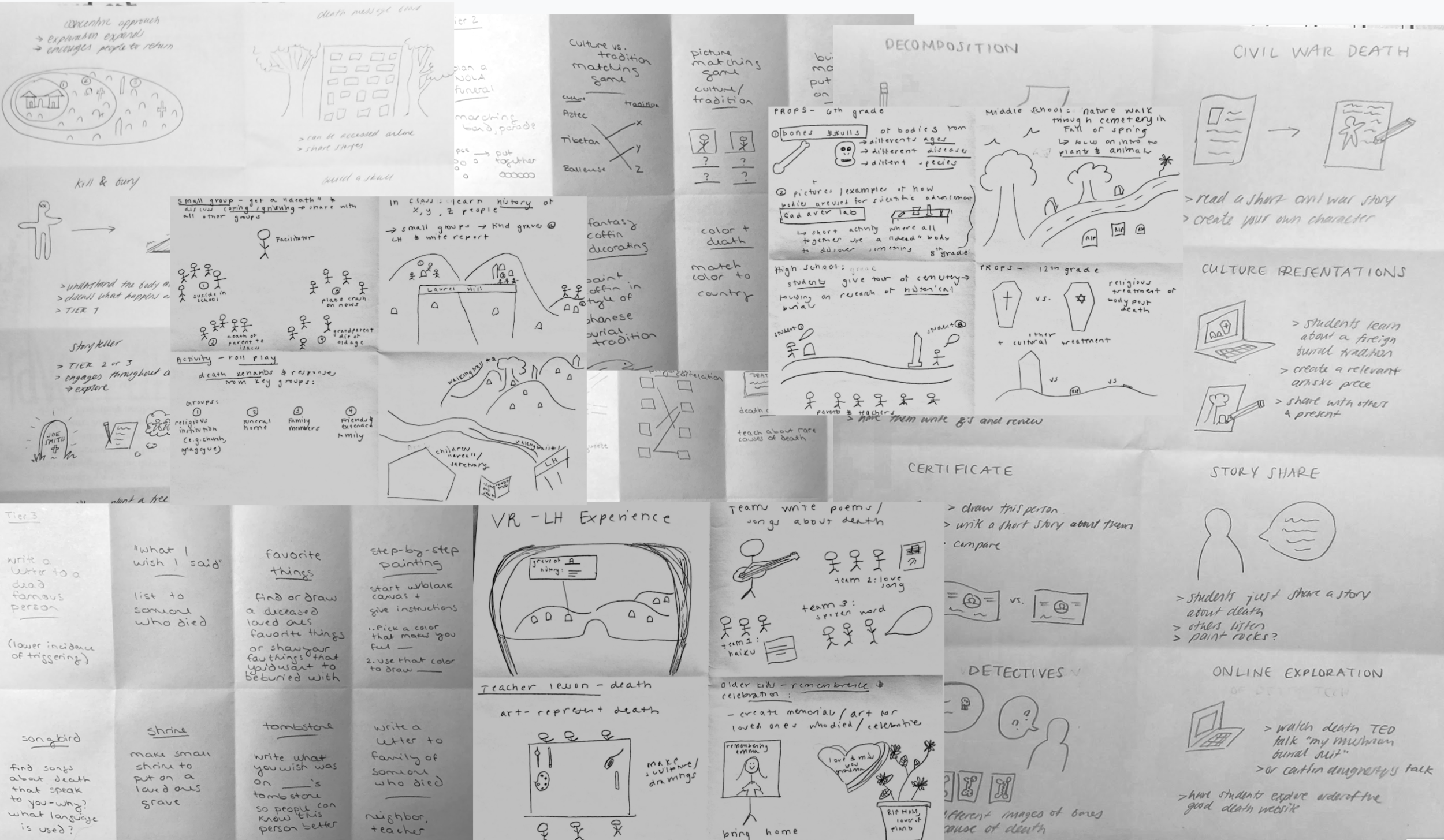
Crazy 8 ideation
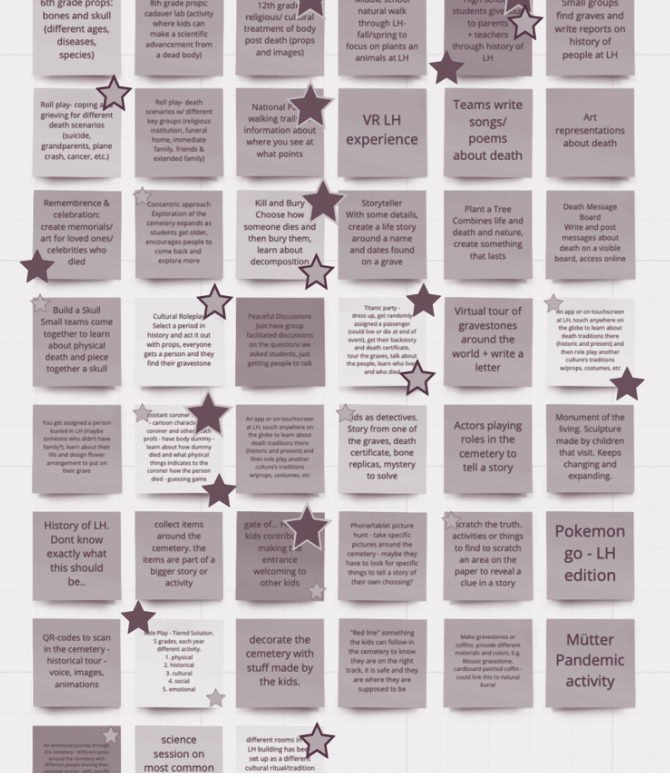
Ideation + down-selection in Miro
EARLY CONCEPT SKETCHING
PROTOTYPING + TESTING
Final programming tiers by topic with recommended age groups and companion classes:
TIER 3
USABILITY + DESIRABILITY
TESTING
To test Tier 3, the team ran 2 small group sessions with high school students, ages 17-18. We asked our groups to watch a TED Talk given by Caitlin Doughty, then to roleplay how they might act in a situation where a close friend’s parent had died, followed by a video on grief and discussion.
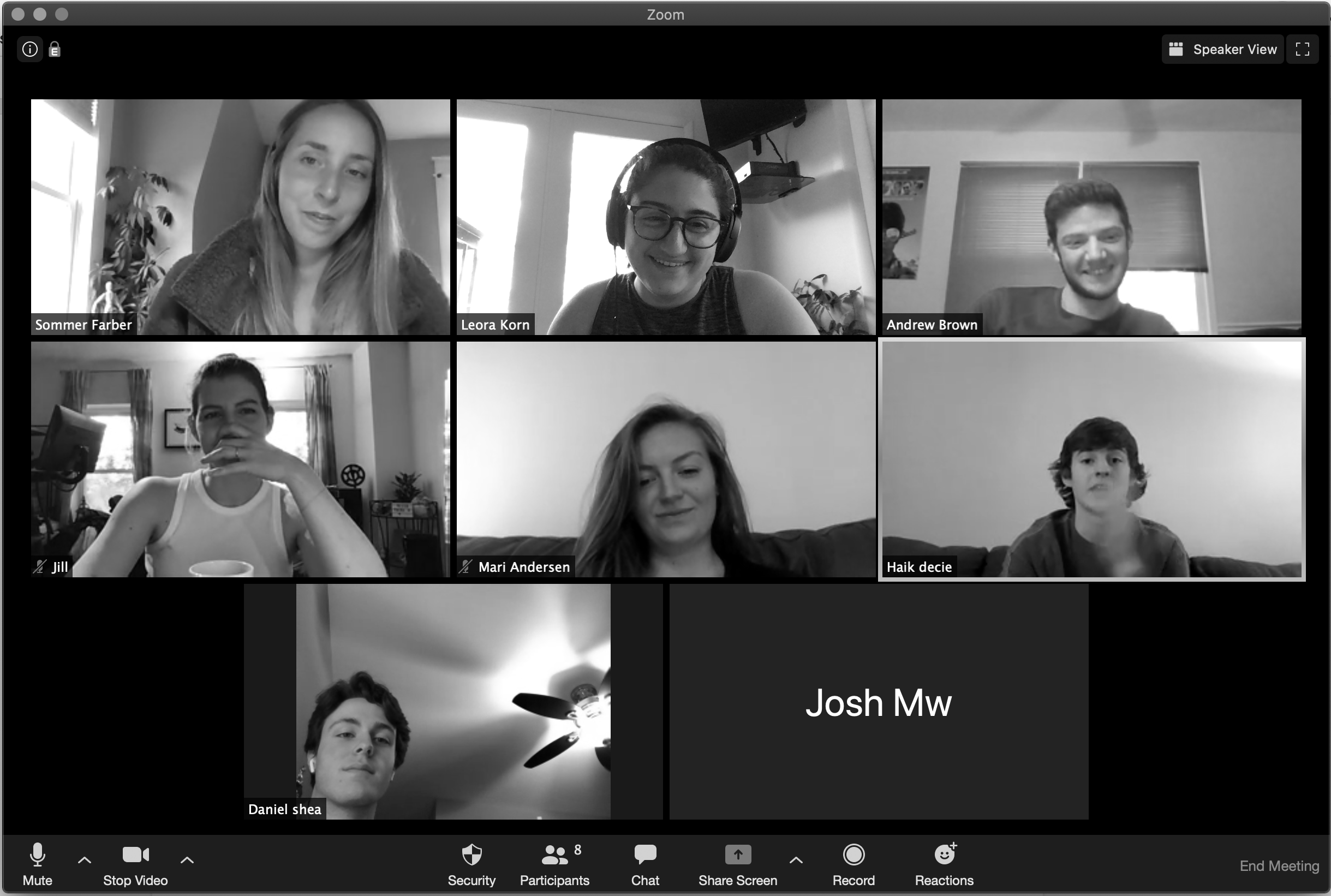
User testing via Zoom
TIER 3
ITERATION BASED ON FEEDBACK
We received feedback that the role-play scenario caught students off guard, so we iterated the experience to ease into the subject gradually. Also, students said that they wanted an instructor to share their own stories before teaching.
We gained additional insights from testing tier 3:
Students are open and willing to share stories about death
Practicing conversations builds experience and makes students more comfortable with discussing death
Placing students in settings that relate directly to the subject material emphasizes the importance of that subject
TIER 2
USABILITY + DESIRABILITY
TESTING
To test Tier 2, we ran 2 small group testing sessions but with younger students, ages 14-16. We had students watch a short video about what happened to the dead bodies after the Titanic sank, followed by a “choose-your-own-adventure” activity where students acted out the experience of a real Titanic passenger. They then watched a video on grief and participated in a group discussion.
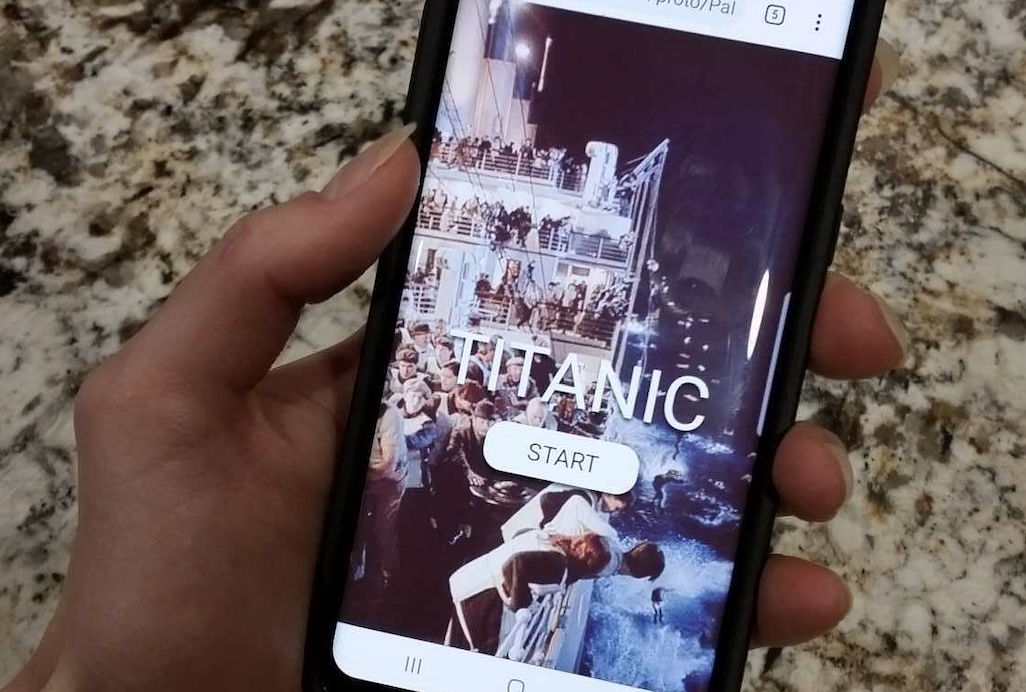
The Titanic theme was chosen to help students connect with the cemetery’s physical space. Titanic passenger William Crothers Dulles is interned at Laurel Hill.
“Choose-your-own-adventure” roleplay facilitated by Figma

TIER 2
ITERATION BASED ON FEEDBACK
We gained additional insights from testing tier 2:
Discussing death in a historical or cultural context makes it less emotional and easier for students to digest
Students feel most comfortable discussing death topics in small groups
Briefing and debriefing conversations are critical in communicating serious topics
Creative expression engages students in the subject matter
We incorporated the feedback and new insights into our final programming concepts
SOLUTION
“Death Positivity Programming” provides workshops for middle and high school students that focus on various aspects of death education. As a first-of-its-kind initiative, this programming engages students in active conversation and is specifically tailored to meet the needs of different age groups.
The team collectively presented the final programming solution to Laurel Hill, which was received with much enthusiasm.
SAMPLES FROM THE TIER 3 WORKSHOP
Death Through an Emotional Lens: “Open conversations with students”
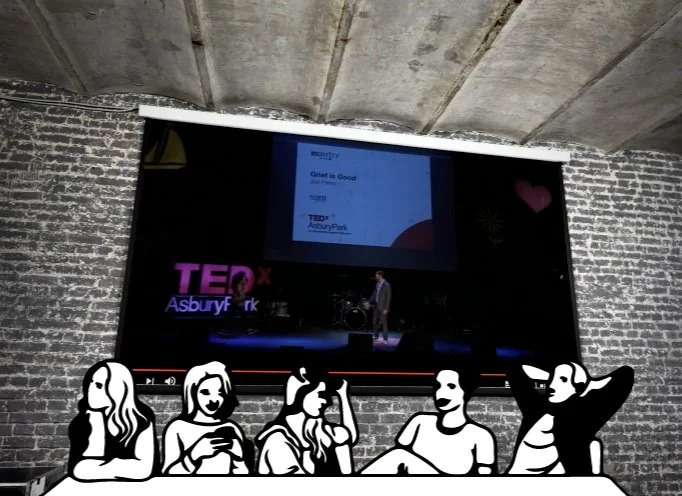
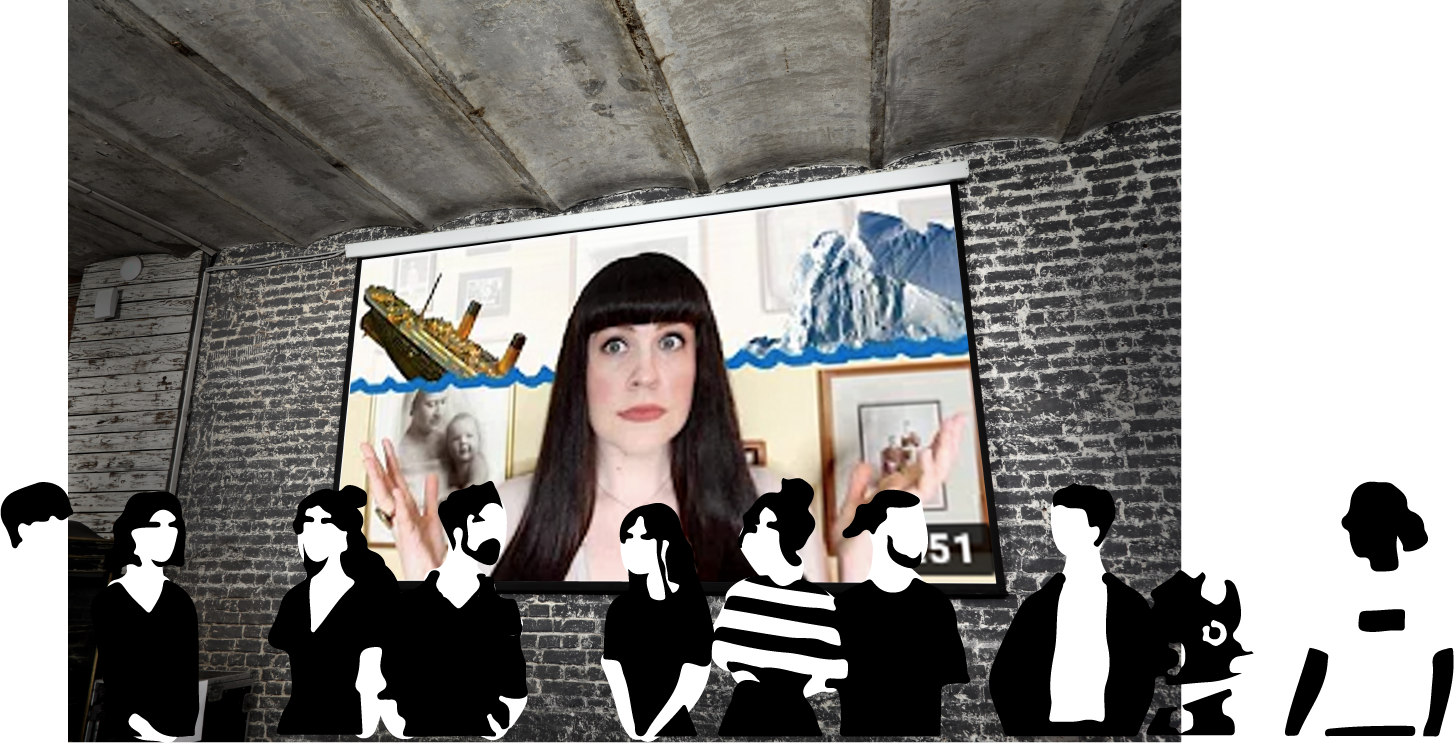
Students arrive at Laurel Hill for their field trip. Then they will watch a video from an expert about death in different cultures followed by a discussion.
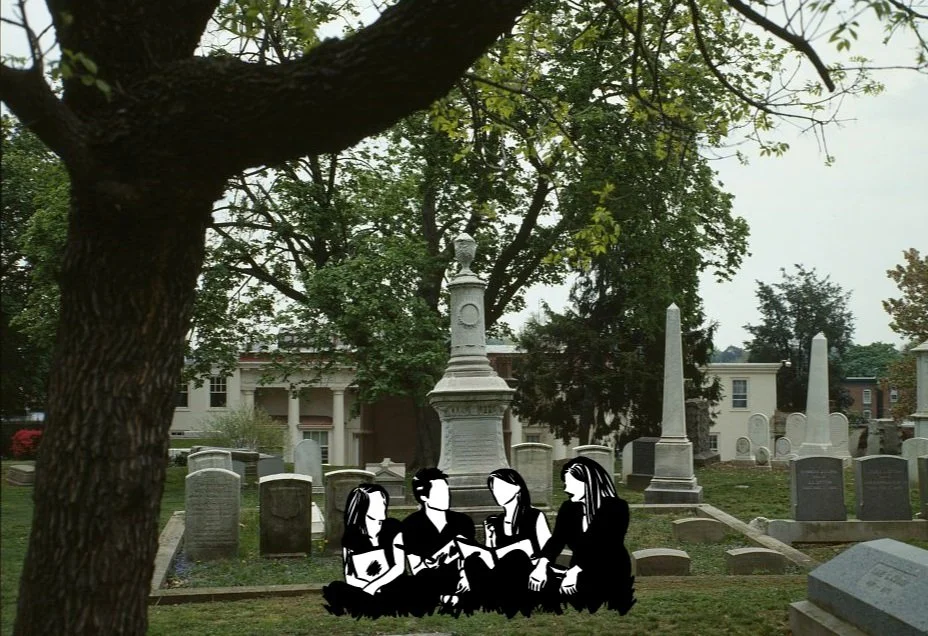
Next, the students are split into smaller groups and walk to 3 different locations at Laurel Hill for different activities: 1) to learn more and talk generally about coping, grieving and death, 2) to roleplay how to approach a friend who has lost someone, and 3) to share personal stories related to death or grieving.
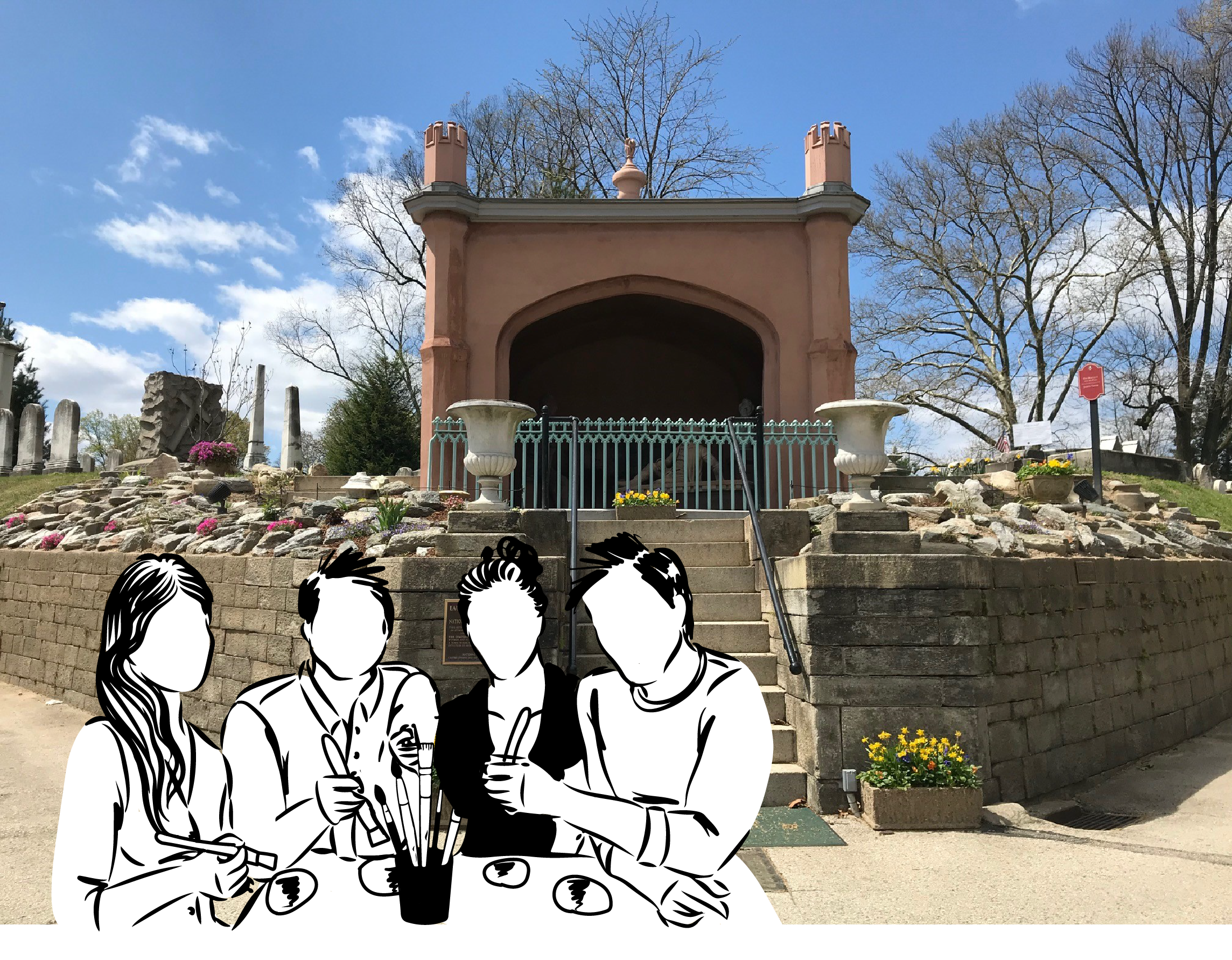
The field trip ends with an art activity to bring the students together where they can talk about their day at Laurel Hill.
SAMPLE FROM THE TIER 2 WORKSHOP
Death Through a Cultural Lens: “Back in time, a journey on the Titanic”
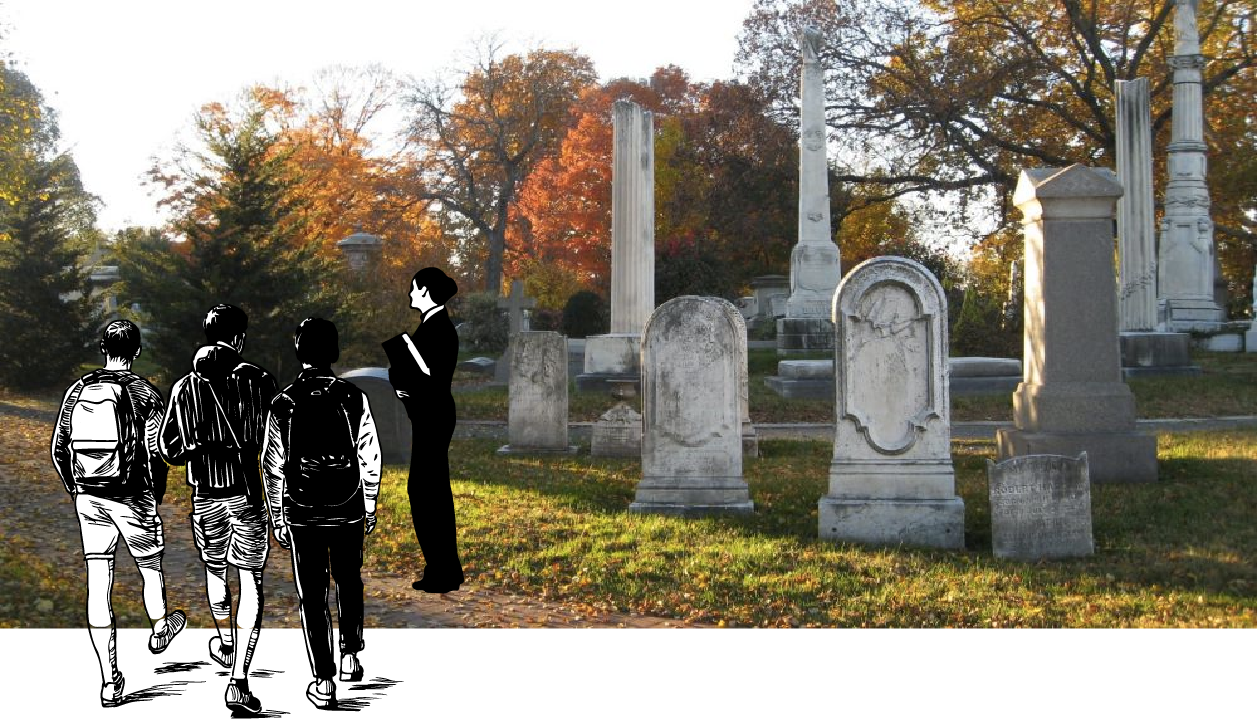
Students arrive at Laurel Hill and tour the grounds. They watch a video about what happened to the bodies on the Titanic and discuss. Then students pick a character of someone who was on the Titanic and get a name tag with the picture of their character.
Students split into groups of 4-6 and are given a map of the cemetery with a route to follow with several stops where guides tell parts of the true story of the Titanic. Students create the rest of the story about how they think their character ended up on the Titanic, as well as their fate. The workshop concludes with a discussion about what really happened to the students’ characters and about death.
FINAL THOUGHTS
If I could continue this project, I would do the following:
1 Test full-length programming for all three tiers with various ages to continue validating and refining our age-appropriate model
2 Consult religious leaders to make sure the programming is respectful of all beliefs
3 Conduct research on the psychology behind people’s aversion to “hanging out” in a cemetery to help Laurel Hill further their tertiary goal